What Is a Water-proof Ground Sheet?
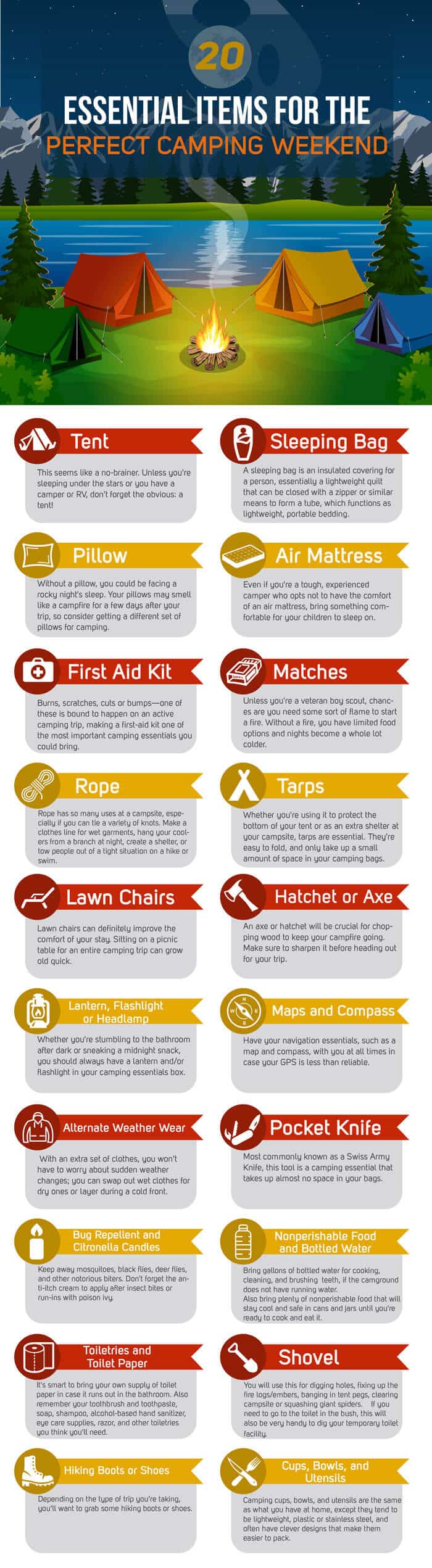
A water-proof ground sheet is a safety layer put below your tent, resting floor covering, or bivvy to serve as a barrier in between you and the ground. Its main purpose is to stop dampness from seeping upwards via the tent floor, however it additionally protects the base of your outdoor tents from abrasion, sharp stones, origins, and basic wear.
The majority of camping tents include a sewn-in groundsheet, yet these are often thinner and much more prone to slits than a dedicated external sheet. A separate water-proof ground sheet includes an additional layer of security that can dramatically extend the life of your tent while keeping your sleeping environment dry.
How Waterproofing Works
Waterproof ground sheets depend on two essential buildings: the product itself and any applied finishings or laminates.
Material Matters
The most common products made use of are polyethylene (PE), polypropylene, nylon, and polyester. Polyethylene is one of the most inexpensive and widely utilized-- it's dense, naturally water-resistant, and durable enough for most camping conditions. Nylon and polyester ground sheets often tend to be lighter and extra packable, making them popular for backpacking.
Hydrostatic Head Ranking
You'll frequently see ground sheets rated by their hydrostatic head (HH) worth, determined in millimetres. This number informs you just how much water pressure the material can hold up against prior to it starts to leak. A score of 3,000 mm is generally taken into consideration enough for many camping scenarios, while anything over 5,000 mm provides strong protection in damp or camping gear prolonged-rain problems. For ground sheets particularly, a higher rating is always better, since they're in direct contact with saturated soil.
Types of Waterproof Ground Sheets
Not all ground sheets are developed equivalent, and the ideal type depends entirely on how you use it.
Impact Ground Sheets
These are reduced to match the precise shape of a particular tent's flooring. They sit neatly under the camping tent without sticking out at the sides, which prevents rain from pooling between the sheet and the camping tent flooring. Numerous outdoor tents producers sell matching footprints, yet universal variations are additionally available.
Universal or Tarpaulin Sheets
These been available in conventional rectangle-shaped dimensions and can be cut to fit. They're flexible and economical, functioning well as both under-tent defense and as improvisated sanctuaries or barbecue sheets. The compromise is that they often tend to be larger and bulkier than purpose-cut impacts.
Light-weight Backpacking Sheets
Made from ultralight products like Dyneema or ripstop nylon with silicone finishing, these are created for weight-conscious travelers. They use strong waterproofing while including minimal grams to your pack-- ideal for multi-day walking or wild outdoor camping.
Key Features to Search For
When picking a water resistant ground sheet, keep these factors in mind:
Dimension and Fit
The ground sheet need to be slightly smaller than your camping tent's impact, or exactly the same size. If it prolongs past the outdoor tents edges, rainwater can accumulate on it and really channel under the tent flooring-- the reverse of what you want.
Weight and Packability
For base camping, weight is less of an issue, so durability ought to take top priority. For backpacking, search for sheets that roll or fold up down tiny and evaluate under 300g.
Durability and Thickness
Determined in denier (D) for woven textiles or GSM (grams per square metre) for non-woven materials, density straight affects just how well the sheet resists punctures. A greater denier or GSM suggests greater durability, though additionally more weight.
Caring for Your Ground Sheet
To obtain the most from a water resistant ground sheet, get rid of loosened dirt after each use and wipe it down with a wet cloth. Stay clear of folding it when wet for extensive durations, as this can break down coatings gradually. Store it freely rolled in a completely dry location, and occasionally reapply a DWR (sturdy water repellent) spray if the surface begins to wet out rather than grain.
Final Thoughts
A waterproof ground sheet is a small investment that repays enormously in comfort, equipment durability, and satisfaction. Recognizing the materials, rankings, and kinds available means you can make a positive selection for your style of outdoor camping-- and wake up completely dry, no matter what the ground underneath you had in mind.